
Maybe you've noticed that carrying groceries takes more effort than it used to. Maybe you're getting back into exercise after a long break, or you want to keep doing the things you enjoy without feeling worn out afterward. Whatever brought you here, strength training after 50 doesn't have to mean chasing personal records or spending every evening in the gym.
It can be much simpler: learn a few useful movements, choose resistance you can control, and keep showing up. The goal is to build strength that carries over into your life, whether that's hiking, gardening, traveling, or getting up from the floor with confidence.
Is It Too Late to Start Strength Training After 50?
No. Turning 50 isn't a deadline for building strength, and you don't need a lifetime of lifting experience to get started. What matters is choosing a starting point that matches your current ability, health, and training history.
If you've been away from exercise for years, give yourself permission to be a beginner again. Your first sessions don't need to be impressive. They need to be manageable enough that you can recover and come back. If you've trained consistently, you may not need a complete overhaul, just a more thoughtful approach to exercise selection, effort, and recovery.
For anyone with a medical condition, a recent surgery, an injury, or concerns about starting, speak with a qualified healthcare professional about an appropriate plan. Individual guidance is especially important when a general workout recommendation doesn't account for your circumstances.
Why Strength Training Matters as You Get Older
Muscle mass and strength can decline with age, particularly when we stop challenging our muscles. Resistance training gives your body a reason to keep doing that work. It can help you maintain or improve strength and support your ability to manage everyday physical tasks.
Think about what a normal day asks of you. Climbing stairs takes leg strength. Carrying luggage takes grip and upper-body strength. Standing up from a low chair involves your legs and hips. A well-rounded strength routine practices the kinds of efforts that make those tasks more manageable.
Resistance exercise can also support bone health, although the most appropriate exercises and loads depend on the individual. If you have osteoporosis or have been told you're at increased fracture risk, get professional guidance rather than copying a generic lifting routine.
And then there's the satisfaction of progress. A weight that once felt awkward starts to feel steady. You finish a set with better control. You notice that moving something around the house takes less effort. Those changes matter, even when nobody else sees them.
Start With Movement Patterns, Not Complicated Workouts
A useful strength training routine for adults over 50 doesn't need dozens of exercises. Start by learning a few basic movement patterns and choosing versions that suit your ability and available equipment.
Sitting Down and Standing Up
A squat pattern trains the legs and hips through a movement you already use every day. For a beginner, that might mean standing up from a stable chair and sitting back down with control. As your strength and confidence develop, a coach can help you choose a suitable progression.
Bending Through the Hips
A hip hinge teaches you to move through your hips rather than simply rounding over to reach something. It appears in many lifting exercises and is worth learning carefully. Start with the movement itself before worrying about adding weight.
Pushing and Pulling
Pushing exercises might include a wall push-up or a suitable press. Pulling exercises might include a resistance-band row or cable row. Choose a setup that lets you move smoothly without forcing your shoulders, elbows, or wrists into an uncomfortable position.
Carrying
Carrying a manageable load is a practical way to challenge your grip and your ability to hold a steady posture while walking. Our guide to farmer's walk benefits explores this movement in more detail. Keep the walking area clear and start with a load you can carry without leaning or rushing.
For more movement ideas, read the five exercises you need after age 40. Use exercise guides as a starting point, not a requirement to do every movement exactly as shown.
Make Your First Workouts Manageable
If you're wondering how to start strength training at 50, resist the temptation to make up for lost time in your first week. Begin with a small number of movements and light resistance. Leave room to practice instead of taking every set to exhaustion.
Give yourself time to warm up with comfortable movement and easier practice repetitions. During each exercise, focus on a controlled pace, steady breathing, and a range of motion you can manage. When technique starts to break down, end the set rather than pushing through untidy repetitions.
A qualified trainer can help you establish a starting workload and schedule that fit your needs. That can be particularly useful if you're unsure about technique, returning after an injury, or finding it difficult to tell whether an exercise is appropriate for you.
Choose Equipment That Fits You
Good equipment should help you perform the movement, not make you fight for a comfortable position. Grip style, handle spacing, setup height, and the amount of available resistance can all influence how an exercise feels.
A neutral grip, with your palms facing each other, is one option worth exploring for some pressing and pulling movements. Some people find it more comfortable than other grip positions. That doesn't make it the right choice for everyone, and no grip or piece of equipment can guarantee pain-free training or prevent an injury.
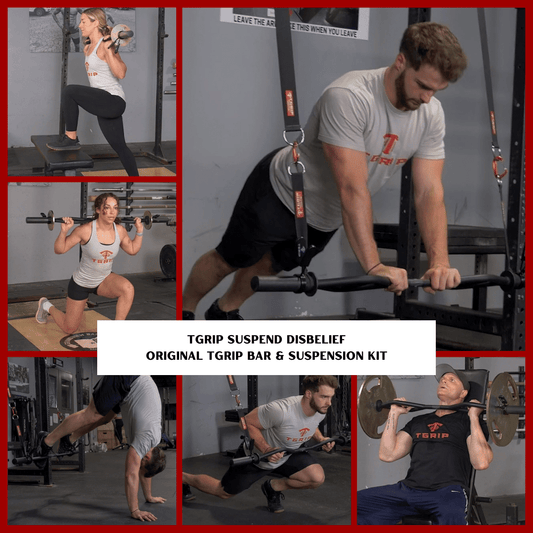
The TGrip Pro Series Bar offers a neutral-grip option to consider when choosing your equipment. Match any equipment choice to the exercise, your setup, and your individual needs rather than assuming a different bar will solve an existing problem.
Progress Gradually, and Notice More Than the Weight
Getting stronger doesn't always mean adding weight at every workout. Better control, a steadier stance, or completing the same movement with less effort are useful signs of progress too.
Keep a simple training record. Note the exercise, the resistance, and how the session felt. When a movement becomes consistently manageable with good technique, consider a small adjustment rather than a big jump. Change one thing at a time so you can understand how your body responds.
Some weeks will feel better than others. Poor sleep, a stressful schedule, or a busy weekend can change your energy. Adjusting a session isn't a failure. It's part of building a routine that works beyond a short burst of motivation.
Take Recovery and Discomfort Seriously
You don't need to finish every workout feeling completely drained. Allow time to recover between demanding sessions, and pay attention to sleep, regular meals, and overall energy. Training is easier to sustain when it fits alongside the rest of your life.
Muscular effort and discomfort from an unfamiliar activity aren't the same as sharp, sudden, or persistent pain. Stop an exercise if it causes concerning symptoms. Don't try to fix recurring shoulder, elbow, back, or knee pain simply by changing your grip or lowering the weight. A qualified healthcare professional can help you understand what needs attention.
Build a Routine You Can Keep
The best strength training plan after 50 is one you can follow consistently and adapt as your needs change. Keep your starting routine simple, practice the basics, and judge progress over time rather than by one difficult workout.
You don't have to train like you did at 25, and you don't have to compete with anyone else in the gym. Start where you are. Build strength patiently. Give yourself credit for the ordinary sessions that add up to a stronger, more capable everyday life.
See you in the gym.
TGrip Tim