
The parallel grip is one of those things lifters overlook until they try it, and then wonder why they waited so long. If you're strength training at home or in a commercial gym, it's worth working into your program.
A neutral grip — palms facing each other instead of locked forward — is actually the position physical therapists favor for a reason: it's the position your arms naturally rest in, and it puts less shear stress on the wrists, elbows, and shoulder rotator cuffs than a standard pronated grip.
Practically, that means two things. First, it tends to improve stability and wrist/tendon strength over time, though it can feel slightly unfamiliar the first few sessions as your body adapts to the new position. Second, it's a legitimate way to break through a plateau — changing the stress pattern on a lift you've done the same way for months is often enough to get your body responding again.
It also tends to allow a fuller range of motion on presses and pulls, since your joints aren't fighting an unnatural rotation to complete the movement — and full range of motion is what drives real strength and size gains, not partial reps.
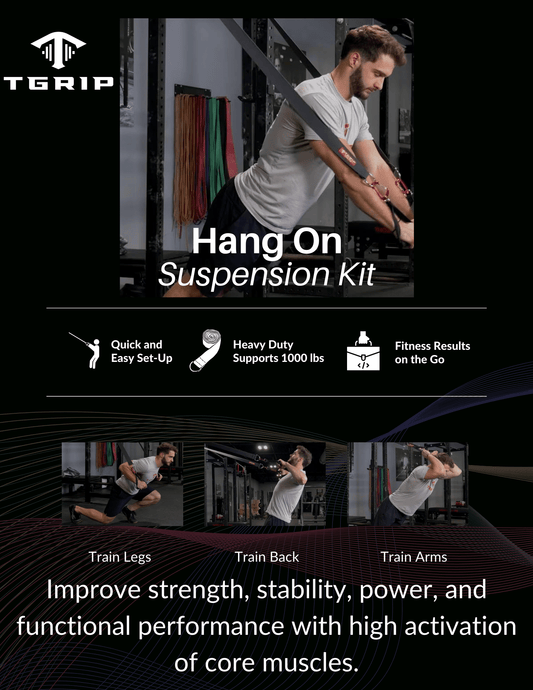
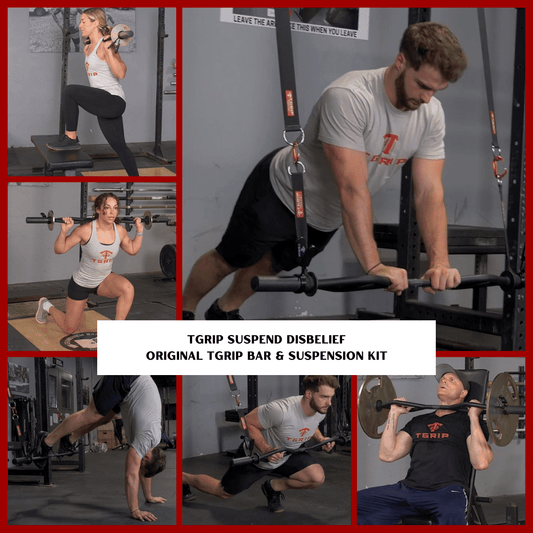
If you're trying the parallel grip for the first time, a TGrip parallel bar makes the transition easy — you get the grip position without needing to relearn your whole technique. Worth adding to your rotation.