
A garage gym is one of the better investments you can make if you actually use it — no commute, no waiting for equipment, no monthly fee that keeps charging whether you show up or not. Here's what to prioritize if you're setting one up from scratch.
Start With a Grip-Friendly Barbell
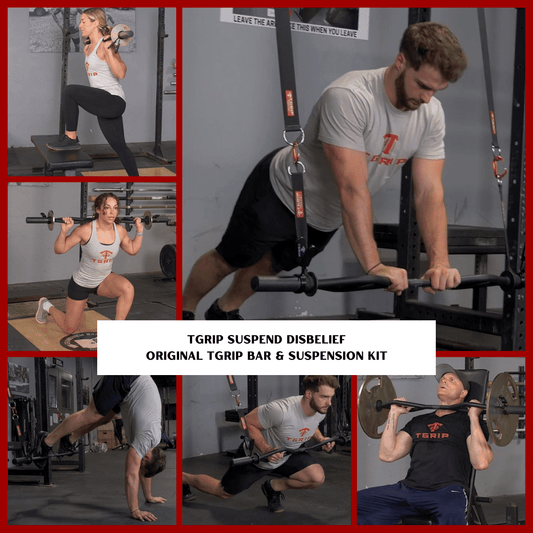
A grip-friendly barbell. The Tgrip Pro Series Bar is our starting recommendation — the angled grip reduces wrist and shoulder strain on presses, rows, and curls compared to a standard straight bar, which matters more the more you train. If space is tight, the Tgrip Shorty packs the same grip into a compact bar.
You Need a Rack
A rack. You need somewhere safe to squat and bench without a spotter. This is not the place to cut corners; a wobbly rack is a real injury risk.
Buy Weight Plates Once
Weight plates. Buy a real set once rather than piecing together mismatched plates over time. You'll use them for years.
Add Versatility With Bands and the Maxx
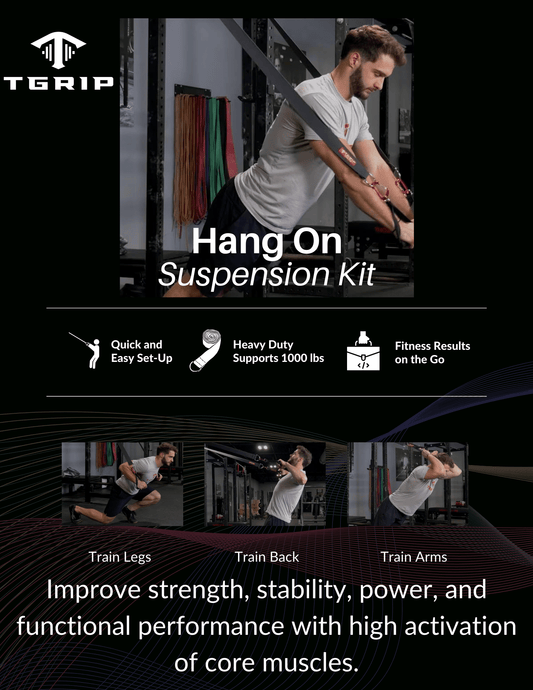
Resistance bands or a Tgrip Maxx setup. The Tgrip Maxx Kit ($159) gives you a portable cable-station equivalent — good for warm-ups, mobility work, and finishing sets when you don't want to keep adding plates. Read our cable pulley system guide to see what it can do.
Cable Attachments If You Have Space
Cable attachments, if you have the space. See our guide on choosing the right cable attachment if you're running a functional trainer or pulley setup.
Skip the impulse buys — dumbbell racks, ab wheels, whatever's trending. Get the bar, the rack, and the plates dialed in first. Everything else is easier to judge once you know what your actual training looks like.
Starting smaller? Our home gym basics for beginners covers the minimum effective setup.